One day, many losses
The Mishnah (tractate Taanit) lists five calamities that befell the people on the ninth of Av. Among them is the destruction of both Temples. So one date gathered into itself the memory of the greatest catastrophes.
The sages saw in this not chance but a lesson: the cause of the Second Temple’s destruction is named as “baseless hatred” (sinat chinam) — the enmity between people that destroys their shared home.
What happened on the ninth of Av
- The spiesBy tradition, on the night of the ninth of Av the people wept over the report of the spies and were sentenced to forty years of wandering in the desert.
- 586 BCEThe Babylonians under Nebuchadnezzar destroyed the First Temple, built by King Solomon, and led the people into exile.
- 70 CEThe Romans under Titus burned the Second Temple. With this destruction began nearly two thousand years of dispersion.
- 135 CEThe fortress of Betar fell — the last stronghold of the Bar Kokhba revolt; tens of thousands of its defenders perished.
- AfterSoon Jerusalem was plowed over, and a Roman colony was founded on the site of the city. The sanctuary lay in ruins.
“How lonely sits the city…”
The scroll of Eichah (the Lamentations of Jeremiah) is five mournful chapters on the destruction of Jerusalem. It is read on the evening of the ninth of Av by candlelight, in a soft, weeping chant.
“Eichah” — “how” — is the first word of the scroll and its name. In it there is not only grief, but also the admission of guilt and the hope for the return of mercy.

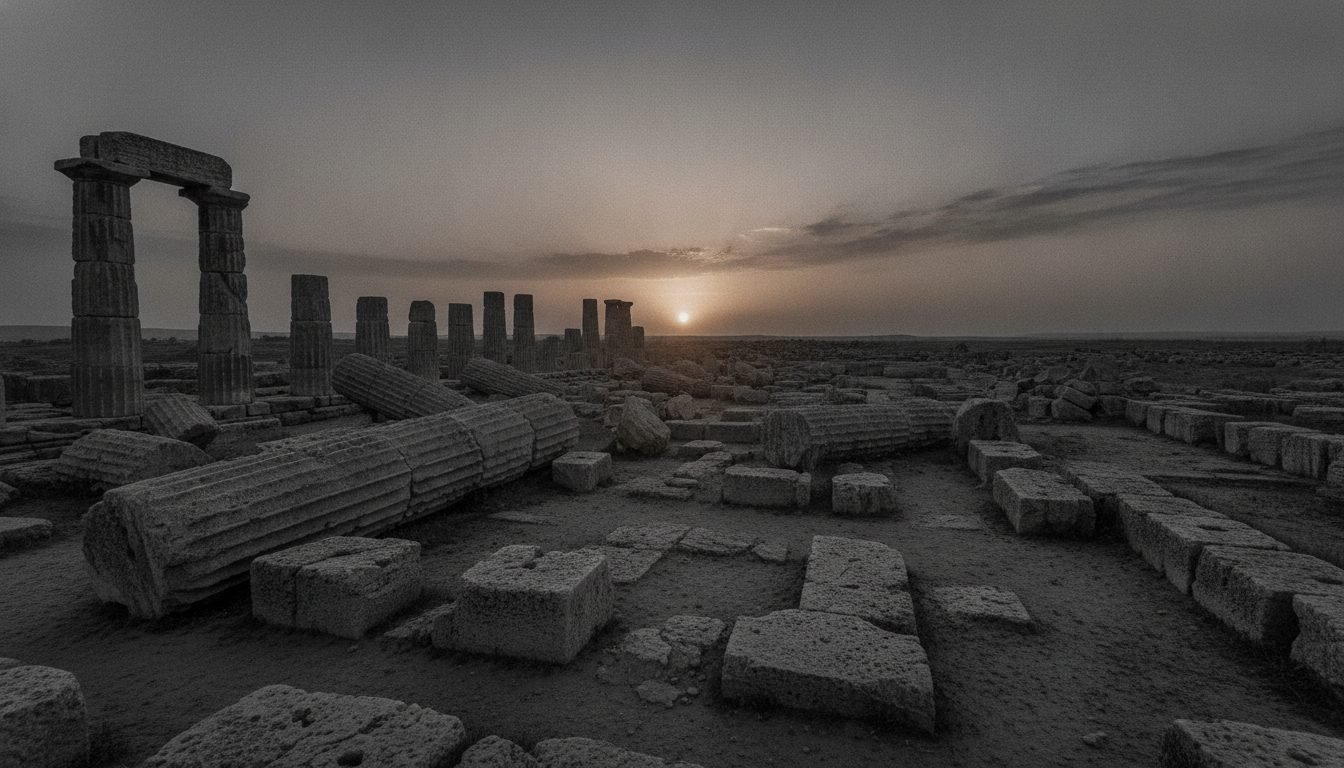
Baseless hatred
The Second Temple fell through enmity without cause; love without condition will rebuild it.
Grief that returned to this date
Expulsion from England
In 1290, on Tisha BeAv, the edict expelling the Jews from England came into force.
Expulsion from Spain
In 1492, the deadline for the expulsion of the Jews from Spain fell on these same days of Av.
On the eve of a century of disasters
In the days of Av in 1914, the First World War began, opening a century of upheaval for all of Europe.