A day of fasting and abstention
Tisha BeAv is one of the two full fasts of the year, lasting from sunset to the coming out of the stars the next day, about twenty-five hours. On this day one abstains from food and drink.
As on Yom Kippur, five prohibitions of mourning apply. But if Yom Kippur is a day of purification, Tisha BeAv is a day of grief: even the Torah is studied only in its mournful parts.
The fast
From sunset to the stars — about 25 hours without food or drink.
Eichah and kinot
In the evening and morning the scroll of Eichah and kinot — mourning elegies — are read.
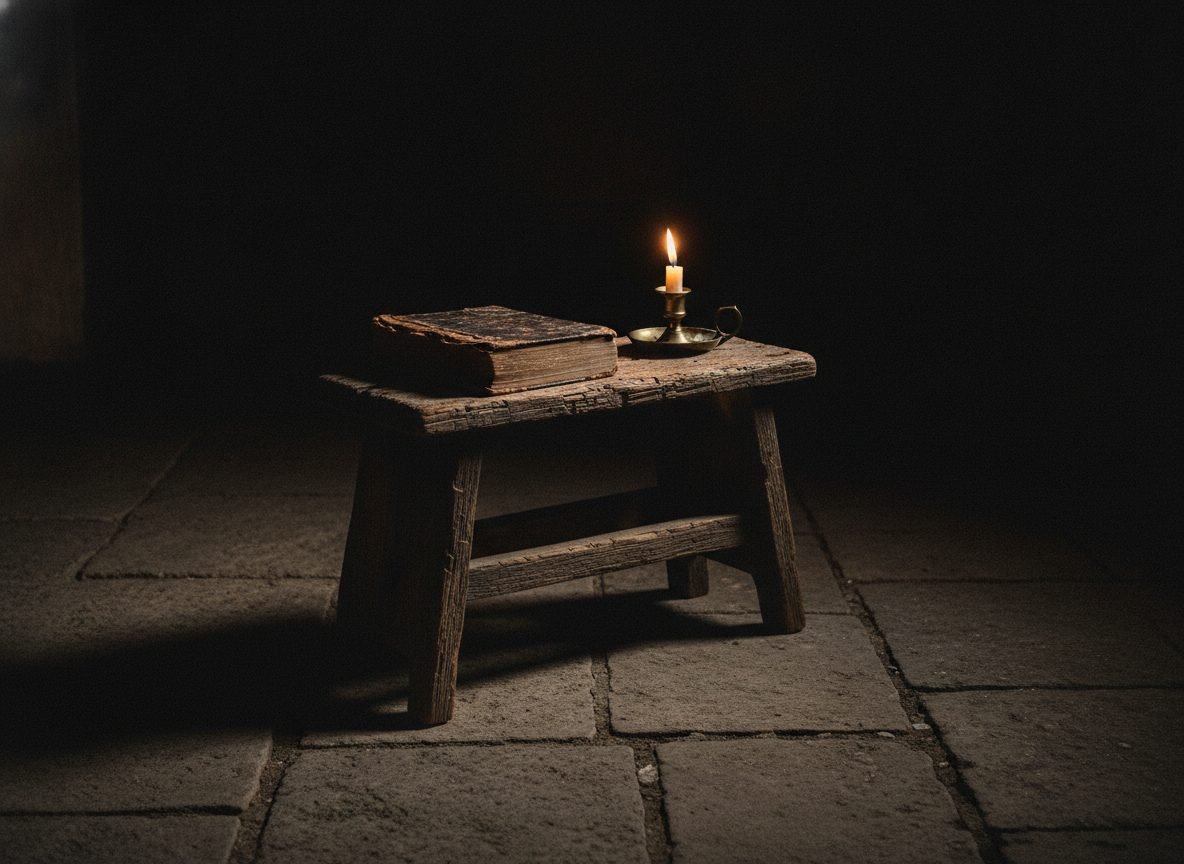
Sitting low
Until midday people sit on the floor or on low benches, like mourners.
No leather, no washing
Leather shoes are not worn, one does not wash for pleasure or anoint oneself.
The reading of the scroll of Lamentations
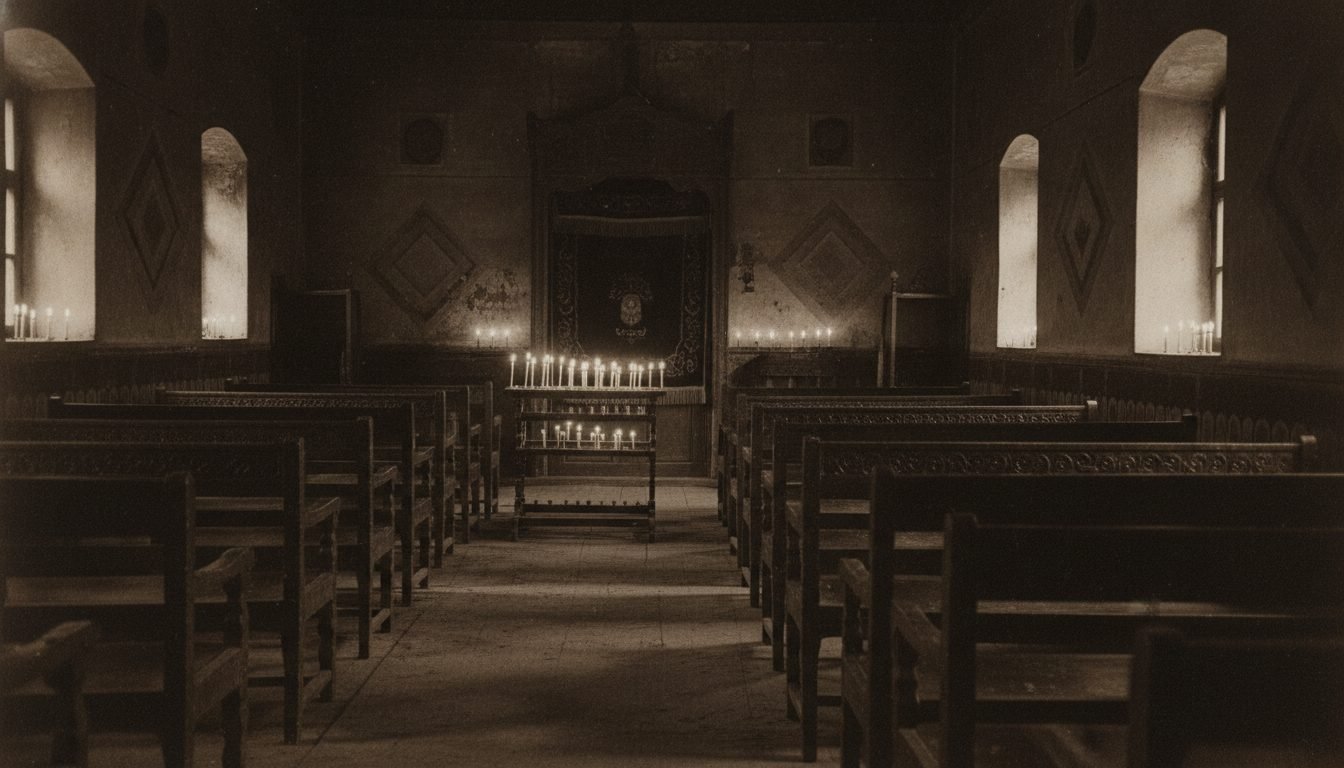
In the evening the bright lights are put out; the synagogue is lit only by candles. The scroll of Eichah is read softly, sitting low, in a special weeping chant — the voice of grief itself.
In the morning the kinot are added — dozens of mourning verses about the destruction of the Temple, about exiles and persecutions of different ages. The tallit and tefillin are worn on this day only at the afternoon prayer.
The Three Weeks and the Nine Days
Tisha BeAv is the peak of the mourning period of Bein HaMetzarim (“between the straits”). It begins three weeks earlier, with the fast of the seventeenth of Tammuz, when the walls of Jerusalem were breached.
In the last nine days, from the start of the month of Av, the mourning intensifies: one abstains from meat and wine, from haircuts, weddings, and rejoicing. Grief mounts toward the ninth of Av.
17 Tammuz
A fast in memory of the breaching of Jerusalem’s walls; the start of the Three Weeks.
The Nine Days
From the 1st to the 9th of Av — the deepening of mourning: no meat, wine, or festivities.
The ninth of Av
The peak of mourning — fasting and lament over the destroyed Temple.
Midday
After midday the grief begins to turn into hope — and consolation comes.
When the mourning eases
After midday on the ninth of Av some of the laws of mourning ease: one may return to one’s usual seat. By tradition, it is at this very time that consolation is born — and the Mashiach comes into the world.
The fast ends with the coming out of the stars. And the nearest Shabbat is called Shabbat Nachamu — the “Sabbath of Consolation” — and it opens seven weeks of readings of comfort.